Well the time between being hauled into the channel and moving to the Wannsee harbor and actually starting our voyage is probably the time we did the most work on the boat. This time span is from 21st of May until the 4th of August. Because now that the hull and the valves were fixed and the motor (except for the gear) was working fine, EVERYTHING else inside and on top of the boat, including mast, rigging, sails, safety, electricity and many other things had to be done. Let’s try to put this into chapters, that you can decide what you’re interested in and what not?
Social life (visitors, daily routine, living at a lake)
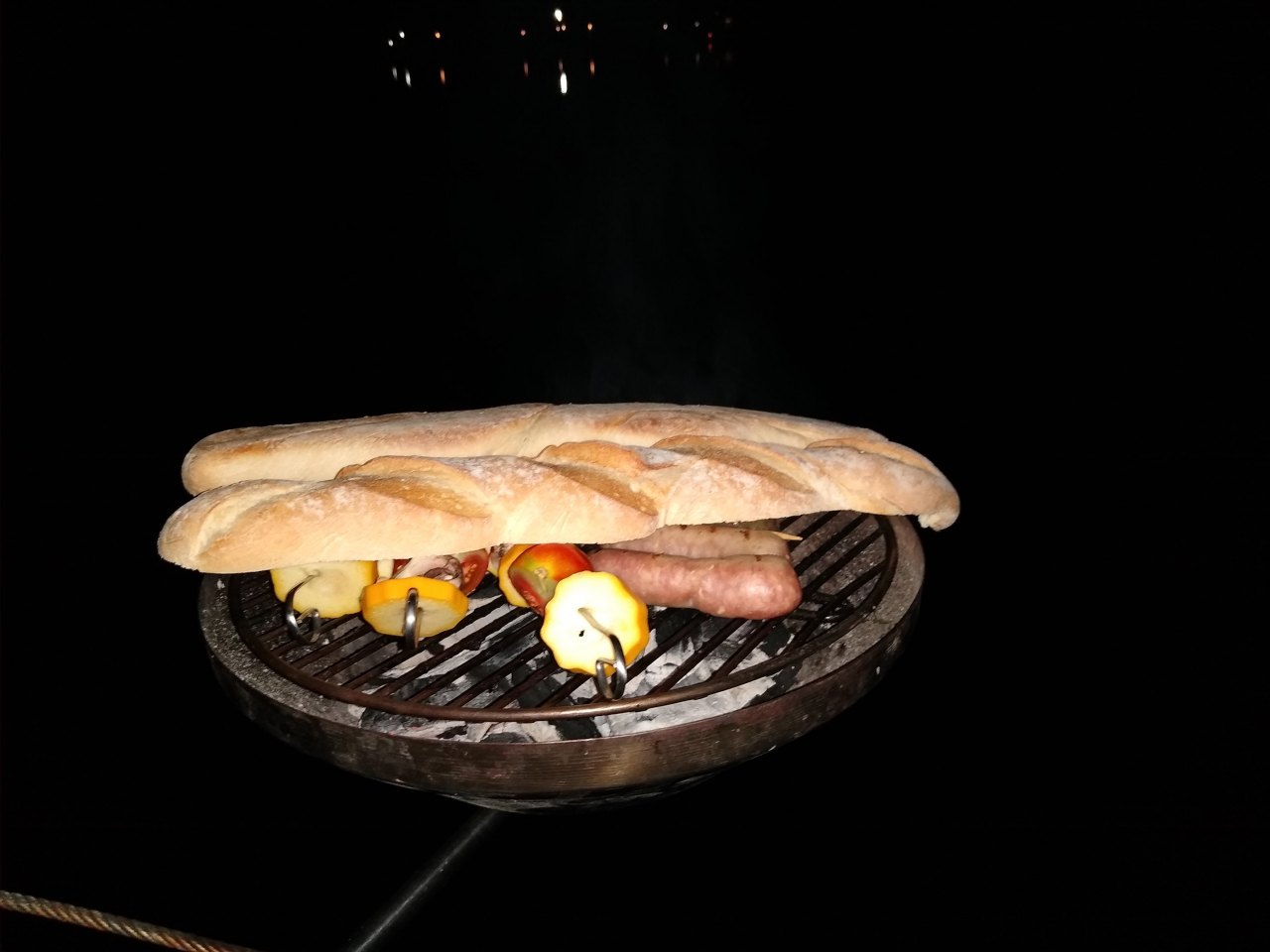
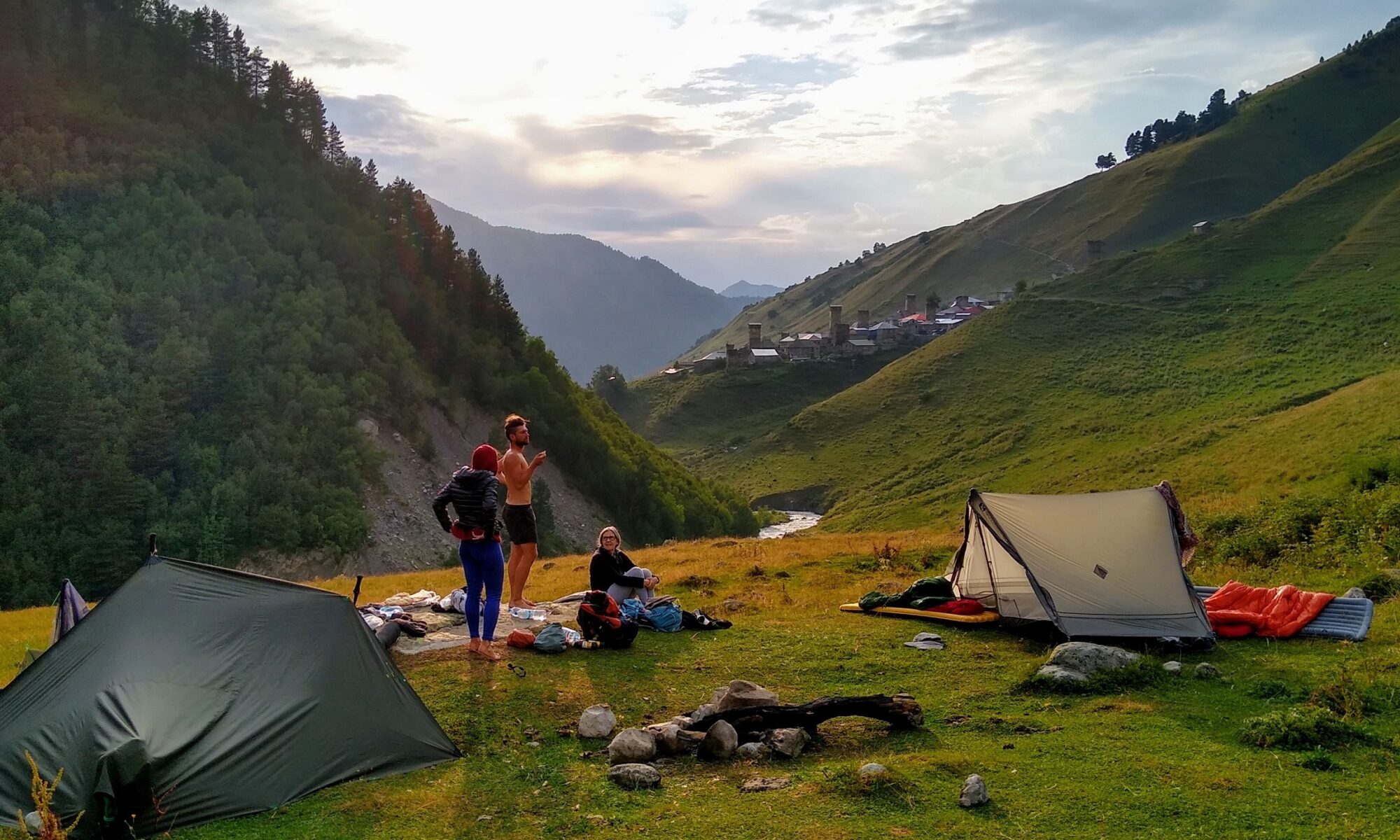
It’s not the most common thing for someone to live on a boat, but at the same time being in a sexy city but on a boat, most people really hype these days I guess… Berlin! So of course we had quite a few visitors. Some coming in all the way from Innsbruck – our designated “home”. Some living in Berlin and paying the Wannsee a visit and then some others for the most diverse reasons. Though a summer, where a lot of people wanted or had to cancel their vacation plans, the Berlin Lakes were pretty popular and thus was our boat. Because you would still be in town, but have a private spot in deeper water. So our guests were to be divided by two classes. The leisure visitor and the “we want to help”-visitor. It was many BBQs, many skinny dips and lots of good laughter. We want to thank everybody who swung by especially those who helped get “her” ready.
Electricity
One of the biggest projects of all was maybe re-wiring the boat. As you may have seen in one of the older articles, the cables were a mess. Some so old that the copper turned black, some braking and NO way to understand what was leading where. It was spaghetti coppernara. And after removing it all, we had to make it new RIGHT? Old cables were behind the inner structure of the boat. So to get to places, we put all new cables along the ceiling, where Benni put in the new wood and lights. If our boat would be an Ikea Boat, this would have been easy, but doing it totally individual on your first boat ever you encounter quite a few “a shit, we should have thought of that earlier”-moments. And much work (for example the water proof cable entries) could only be installed when the surface area has had the entire repaint job done before. Other electrical work could only be continued when certain special stuff arrived by mail or was to be found in a shop. Though we did not change the cables inside the mast we had to check them. This was quite funny, because in daylight you cannot see, when the lights turn on. One was sitting over water (where the foot of the mast was hanging) hanging over the very tip of the boat. The other person was 14 meters towards the aft over water, staring at our new LED light bulbs. “Does it blink?” “No!!!” “Now?” “Nooo!” “Now?” “YEAH, but just one”…. And so on and so on. Then we had to put eight cables and one LAN/CAT cable into one big shrinking tube. How do you do it? With “Penaten Baby Puder”…. In English I think it called talcum? Whatsoever, this stuff is a EXQUISIT on a boat and man does it smell nice.
And then we had to re-wire all the big batteries in a way that we could cut them off if anything were to go wrong (short cuts, taking on huge amounts of water etc.). And we hat properly write down what we did, so that after a couple of month we still understand what is what. This all takes time. Lots of soldering, cutting, pushing cables through places where even a drill does not want to go through. Many many days of work.
How do we create electricity?
Two 100W solar panels (flexible ones) and an Aerogen Wind Generator. We were uncertain on how much energy we would create vs. consume. But in summer, there is either wind or sun, most of the time both. Usually our batteries are full – two hours after sunrise J
LED bulbs, Laptops, Smartphones, modern fridge fed by fancy solar panels… it is hard to run out of power nowadays I guess. Even drilling one day for two hours straight, we did not even get close to discharging the ‘bats’.
One part we actually left out of the equation was VHF radio and AIS caballing. Which is still to be installed. One of the open positions to this day as I write (21st of Aug)
The Mast and its rigging
This is something Benni should actually write. To the day he is constantly updating and tuning our rigging.
At a certain point,
when the boat was less of a construction site. We HAD to put up the mast to
learn how to do it. The process itself is straight forward the same with most
boats. But the details can be quite iffy. With an estimated weight of 300kg we
need a crane to put it up and Oskar (who thankfully wanted to help) and Malte
(the previous owner of the boat) needed to be synced for this appointment, to
have everybody “on deck”. When that beast suddenly levitates and the crane
makes loud noises because it has to work so hard… you become humble fast.
We were able to sail the boat for the first time now. And you cannot imagine
the thrill it gives you when you turn the engine off for the first time, while
still cruising along. It becomes so quiet and peaceful. We were stoked. Lets
just go, tomorrow 😀
We had to put the mast back down again, because the canals up to the Baltic sea
are full of bridges. Only one week later and with the same level of fear, we
lifted the 300kg piece of wood back up to lay it down.
The entrance on the mast where all the wires go in was totally rotten, and since all wire-boxes that were big enough were to wide, Benni custom-made a “wire box” out of teak wood. Look at it.
Now that we have seen the mast standing up, we knew what was missing and what we wanted different. Benno hand-crafted two metal plates for the fore stay. Over the time a couple of shekels and trimmers were bought and now that mast is a solid one.
Engine (covered in previous article)
The engine is a story of its own and we wrote about that in an earlier article.
Windows (not the operating system)
The windows. The fucking windows. They were shit and we had to do something about it. But windows are a difficult thing. How do you cut plexiglass without it melting? How do we know how much we need? Where do we get this stuff when the entire world needs it right now to protect cashiers from Covid 19? Turns out when it comes to plastic there is enough to provide the entire world. And there are special blades for saws, to not melt it while cutting.
Why change? Beside the fact that the old ones had cracks and were murky, they were fitted into a frame which was facing inwards and was part of the hull. Frames facing inward, mean water sitting in the frame – ALL THE TIME – under silicone and whatnot. So the frames were terribly rusty.
Benni decided to put the windows over the entire frame just onto the hull. Cutting threads into the steel, because from the inside you could not counter the screws, since there is the interior woodwork. This was a ton of drilling and cutting threads and drilling plastic glass and then sealing the windows overlapping parts to seal up the structure.
Fuel System and tank
One of our other friends from the club at Wannsee – Martin – once told us that the previous owner had to be towed to this winter-parking for the boats, the last time it was in the water. And after having had a good look into the motor world we figured that the only reason for it could have been water or dirt in the diesel fuel. So we decided something that some folks did not understand. Being enemies of the world of engines and its many sources for issues we took out the custom made tank from the stern, pumped it empty und disposed the old fuel. Closed up the 50-year-old gasoline pipes. Then basically build our own tank from a ten-liter fuel can. Refilling it frequently from bigger canisters. Every five hours we have to re-fuel, making it difficult and unpleasant which is a good thing. Because we don’t want to want to use the engine 😉
Interior Woodwork
Inside the boat we kept most of its original structure. But changing like – lets say 15% of it – is still a lot. Benni single-handedly rebuild the two aft cabins. Which are now maintenance friendly and you are not afraid to touch the wall anymore. And new bright wood…it just lightens everything up doesn’t it?
Same Problem with the lids covering the bilges. Old plywood soaked with oil and water PVC floor glued on top… they had to leave.
Both bilge “floor” plates and aft cabins are basically custom pieces that have to be crafted with great precision. I certainly would not have the nerve to do so nor would I be able to If I tried. Benni though…. He can and he did great.
Other works inside the boat were a wood plate that you cannot fall out of your bed if you are sleeping mid-ship. In German it is apparently called Lee-Brett.
Then we gave the fridge a frame that it survives waves and its fan cannot get blocked. Additional roof lights, hiding cables.
And right now, Benni bought some wood in Kiel. He wants to rebuild the kitchen. I want to help 😀
Anchor and Windless
Ah yes yes, the anchor. Since we removed the tank from the stern, there was some more space. Before us, the chain would just be pulled inside the boat – of course hammering off all the nice protective paint and just sit on blank steel, all wet all the time. There is a little hole inside the hull, because this part of the boat is above the water line. We decided to clean this place up, took everything out. Serviced the windless – turned it around (it was put in wrong), re painted the inner hull and then we put a big plastic bowl inside that stern, with a hose towards the small hole. Now the anchor can not destroy the boat any further and water can run off through that hose so it stays dry! It still aint a beautiful place but at least it does not haunt you in your dreams anymore.
The Windless is electric, but we have not yet had the enthusiasm to electrify it, since winching by hand works alright. But we will, we will.